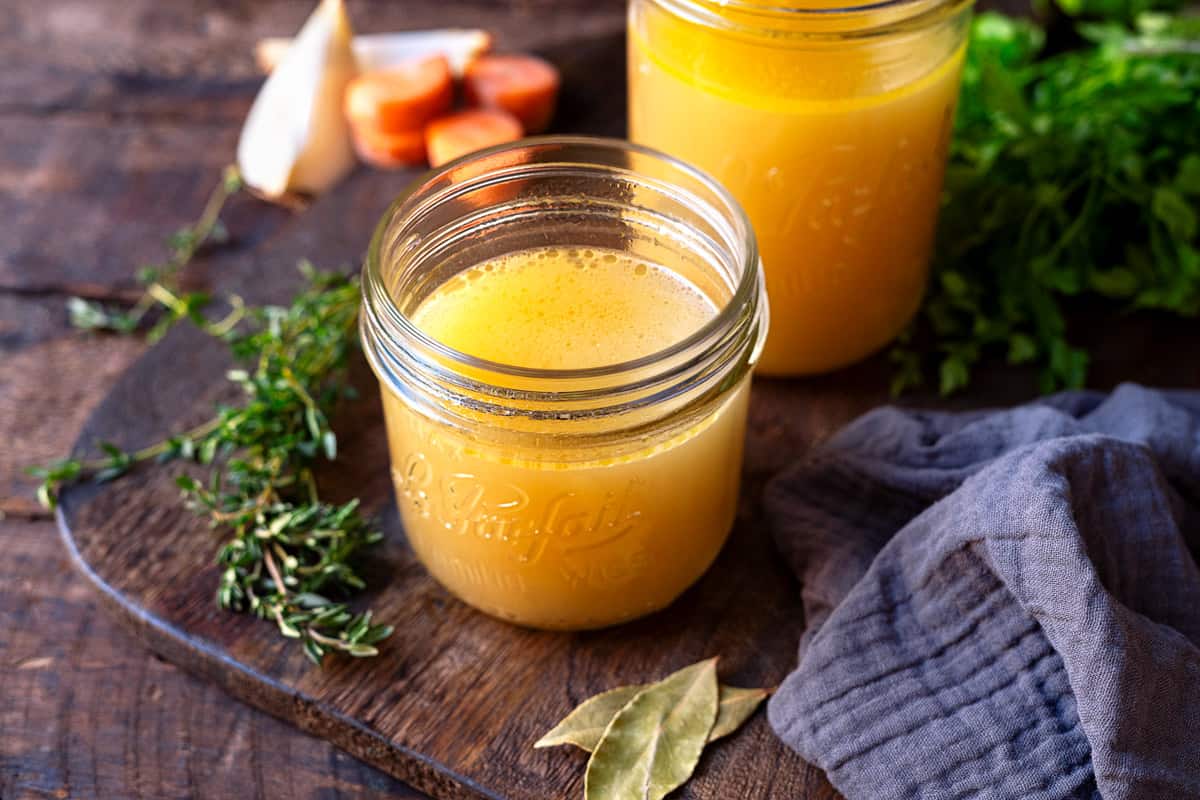
Transforming what might otherwise be discarded into a liquid goldmine of flavor is one of the most rewarding practices in any kitchen. We're talking about the best homemade chicken stock recipe, a foundational ingredient that elevates countless dishes from ordinary to extraordinary. Forget bland, store-bought cartons; making your own chicken stock from scratch is not only incredibly easy but also a fantastic way to utilize leftover chicken bones and vegetable scraps, turning potential waste into culinary treasure.
A well-made stock adds an unparalleled depth of flavor to soups, sauces, gravies, and more. It's the secret ingredient that professional chefs swear by, providing a rich, savory base that permeates every bite. Whether you’re simmering it on the stovetop or letting your slow cooker do the work, this guide will walk you through creating a savory, nourishing stock that will become a staple in your cooking repertoire.
The Unbeatable Benefits of Homemade Chicken Stock
Why go to the "trouble" of making chicken stock when you can buy it in a carton? The answer lies in the profound difference it makes, not just in taste, but also in health and sustainability:
- Superior Flavor Profile: Store-bought stocks often rely on artificial flavors, excessive sodium, and limited ingredients. Homemade stock, especially when made with roasted bones and fresh aromatics, develops a complex, nuanced flavor that simply can't be replicated. It has a richer mouthfeel and a truly savory depth.
- Healthier & Wholesome: When you make stock at home, you control every ingredient. This means no artificial preservatives, colors, or excessive sodium. You can tailor it to your dietary needs and preferences, knowing exactly what's going into your body. The gelatin extracted from bones also offers potential health benefits for gut and joint health.
- Ultimate Resourcefulness & Sustainability: This is where the magic of "scraps" truly shines. Chicken carcasses from a roasted bird, leftover bones, onion peels, celery ends, carrot tops, and even garlic skins – these are all potential flavor bombs that would otherwise end up in the bin. By saving and utilizing them, you reduce food waste and get more value out of your groceries.
- Cost-Effective: Think of all the money you'll save by not purchasing expensive store-bought stocks! You're essentially creating a premium ingredient from items you already have on hand.
What You Need: Gathering Your Scraps for the Perfect Stock
The beauty of a great homemade chicken stock recipe is its flexibility. While there's a classic combination of ingredients, you can easily adapt it based on what you have. The fundamental components fall into two categories:
Chicken Components: The Heart of Your Stock
The foundation of any good chicken stock is, of course, chicken. Don't limit yourself to just raw parts. The best stocks often come from:
- Roasted Chicken Carcasses: The bones from a roast chicken or a store-bought rotisserie chicken are ideal. Roasting the chicken beforehand caramelizes the sugars and intensifies the flavor, resulting in a darker, richer stock.
- Chicken Bones and Scraps: Save bones from thighs, drumsticks, or wings. Chicken necks, backs, and even feet (which add incredible gelatin for a richer mouthfeel) are excellent choices. Keep a freezer bag dedicated to these scraps until you have enough.
- Raw Bone-In Chicken Parts: If you don't have roasted bones, bone-in chicken pieces like wings or backs work perfectly well.
Aromatic Vegetables & Herbs: The Flavor Enhancers
This is where your vegetable scrap bag comes in handy. The classic trio, often called mirepoix (or soffritto), forms the base:
- Onion: A large onion, quartered, or simply the peels and ends from multiple onions. Don't peel them if using for stock; the papery skins add color and flavor.
- Celery: Three stalks of celery, including the leaves, cut into 1-inch pieces. Again, saved ends and slightly wilted stalks are perfect.
- Carrot: One large carrot, cut into 1-inch chunks. Carrot peels and tops can also be used.
- Garlic: While optional, 2-3 cloves of garlic (peeled or unpeeled, whole or crushed) add depth. Roasted garlic can impart a sweeter, more caramelized note.
- Herbs & Spices: Bay leaf (1-2), whole black peppercorns (1/2 teaspoon), and whole cloves (3, optional but recommended for complexity) are classic additions. Sprigs of fresh parsley, thyme, or rosemary can also be thrown in during the last hour of simmering.
- Other Scraps: Consider adding mushroom stems, leek greens, or even a knob of fresh ginger for a unique twist. Avoid cruciferous vegetables like broccoli or cabbage, as they can impart a bitter flavor.
Crafting Your Own Savory Stock: A Step-by-Step Homemade Chicken Stock Recipe
This homemade chicken stock recipe is versatile, allowing for both stovetop and slow cooker methods. We'll start with the classic stovetop approach, with notes on the slow cooker.
Ingredients:
- 1-2 pounds chicken bones (carcasses, backs, wings, or a mix)
- 1 large onion, quartered (or equivalent scraps)
- 3 celery stalks with leaves, roughly chopped (or equivalent scraps)
- 1 large carrot, roughly chopped (or equivalent scraps)
- 2-3 cloves garlic, unpeeled and smashed (optional)
- 1-2 bay leaves
- ½ teaspoon whole black peppercorns
- 3 whole cloves (optional)
- 1½ teaspoons salt (or to taste; adjust later)
- 6-8 cups cold water (or enough to cover ingredients by 1-2 inches)
- Optional for Clarification: ¼ cup cold water, 1 large egg white, 1 crushed eggshell
Directions (Stovetop Method):
- Gather & Prep: Collect all your chicken bones and vegetable scraps. If you have raw chicken parts or unroasted bones, consider roasting them in the oven at 400°F (200°C) for 30-45 minutes until golden brown for a deeper flavor.
- Combine Ingredients: Place the chicken bones/parts, onion, celery, carrot, garlic (if using), bay leaves, peppercorns, cloves, and salt in a large soup pot or Dutch oven.
- Add Water: Pour in 6-8 cups of cold water, or enough to completely cover all the ingredients by at least an inch or two. Starting with cold water helps to slowly extract impurities and proteins, leading to a clearer stock.
- Simmer Gently: Bring the pot to a boil over medium-high heat. As soon as it boils, reduce the heat to the lowest setting, cover, and let it simmer gently for 1 to 4 hours. A very gentle simmer (just a few bubbles breaking the surface) is key for clear, flavorful stock. Skim off any foam or impurities that rise to the surface during the first 30 minutes.
- Remove Solids: After simmering, carefully remove all the large chicken bones and vegetables from the pot using tongs or a slotted spoon. Discard these solids; they have given all their flavor to the stock.
- Strain the Stock: Place a fine-mesh sieve or colander lined with cheesecloth over a large heatproof bowl. Carefully pour the stock through the sieve to catch any remaining small solids.
- Skim Fat: Let the stock cool slightly. As it cools, fat will rise to the surface. You can skim off the fat using a spoon. For easier skimming, refrigerate the stock overnight; the fat will solidify on top, making it simple to lift off.
Directions (Slow Cooker Method):
For an even more hands-off approach, the slow cooker is your friend. Simply combine all ingredients (chicken bones, vegetables, herbs, spices, salt, and water) in your slow cooker. Cook on low for 6-8 hours, or up to 12 hours for a truly rich stock. Then, proceed with steps 5-7 (removing solids, straining, and skimming fat). For a deeper dive into the slow cooker method, check out our guide on Easy Homemade Chicken Stock: Stovetop & Slow Cooker Guide.
Clarifying Your Stock (Optional, for Crystal-Clear Results):
If you desire a perfectly clear stock, ideal for delicate consommés or clear soups, follow this additional step:
- Separate one large egg white from the yolk and crush the eggshell.
- In a small bowl, combine ¼ cup cold water, the egg white, and the crushed eggshell. Whisk lightly.
- Add this mixture to your strained, cooled stock and bring it to a boil over medium heat, whisking occasionally. The egg white will coagulate, trapping tiny impurities.
- Once it reaches a boil, remove from heat and let it stand for 5-10 minutes.
- Strain the stock again through a fine-mesh sieve lined with several layers of cheesecloth. You'll be left with a beautifully clear stock.
Expert Tips for the Best Homemade Chicken Stock
To ensure your homemade chicken stock recipe yields consistently delicious results, keep these tips in mind:
- Roast Bones First: As mentioned, roasting chicken bones before simmering adds a significant depth of flavor and a beautiful golden color to your stock.
- Always Start with Cold Water: This allows the impurities to rise to the surface slowly, making it easier to skim them off and resulting in a clearer stock.
- Gentle Simmer, Never a Rolling Boil: A vigorous boil will emulsify the fat and proteins, leading to a cloudy and sometimes greasy stock. Keep it at a bare simmer.
- Don't Overcrowd the Pot: Give your ingredients room to move and release their flavors. If your pot is too full, flavors won't extract as efficiently.
- Season Lightly (Initially): While salt is listed, remember that the stock will concentrate as it simmers. It’s better to under-salt your stock and adjust seasoning when you use it in a final dish.
- Storage is Key: Once cooled, transfer your stock to airtight containers. It can be refrigerated for 4-5 days or frozen for up to 6 months. For convenience, freeze in ice cube trays for smaller portions, then transfer the frozen cubes to a freezer bag.
Beyond the Pot: Culinary Uses for Your Golden Elixir
Now that you've mastered this homemade chicken stock recipe, the culinary possibilities are endless. Your homemade stock is a versatile powerhouse that can elevate virtually any savory dish:
- Soups: The obvious choice! Use it as the base for classic chicken noodle soup, a hearty lentil soup, a comforting French onion soup, or even a rich clam chowder.
- Sauces & Gravies: Deglaze a pan after searing meat to create an incredible pan sauce, or use it as the liquid for a velvety gravy.
- Grains: Cook rice, quinoa, couscous, or risotto in chicken stock instead of water for an instant boost of flavor and nutrition.
- Braising: It's the perfect liquid for slow-braising meats like chicken thighs, short ribs, or pot roasts, ensuring they come out tender and flavorful.
- Stews: The foundation for any robust stew, adding depth and richness.
- Pan Deglazing: A splash of hot stock can lift all the flavorful browned bits from the bottom of your pan, creating an instant flavor enhancer.
For more inspiring ways to integrate this liquid gold into your cooking, be sure to explore The Best Homemade Chicken Stock Recipe for Rich Flavor.
Embracing the art of making homemade chicken stock is a game-changer for any cook. It's a testament to resourcefulness, a commitment to superior flavor, and a simple way to bring a nourishing touch to your meals. By following this comprehensive homemade chicken stock recipe and utilizing those valuable scraps, you'll soon have a freezer full of savory goodness, ready to transform your everyday cooking into something truly special. So, gather your scraps, grab a pot, and start simmering your way to a more flavorful kitchen!
