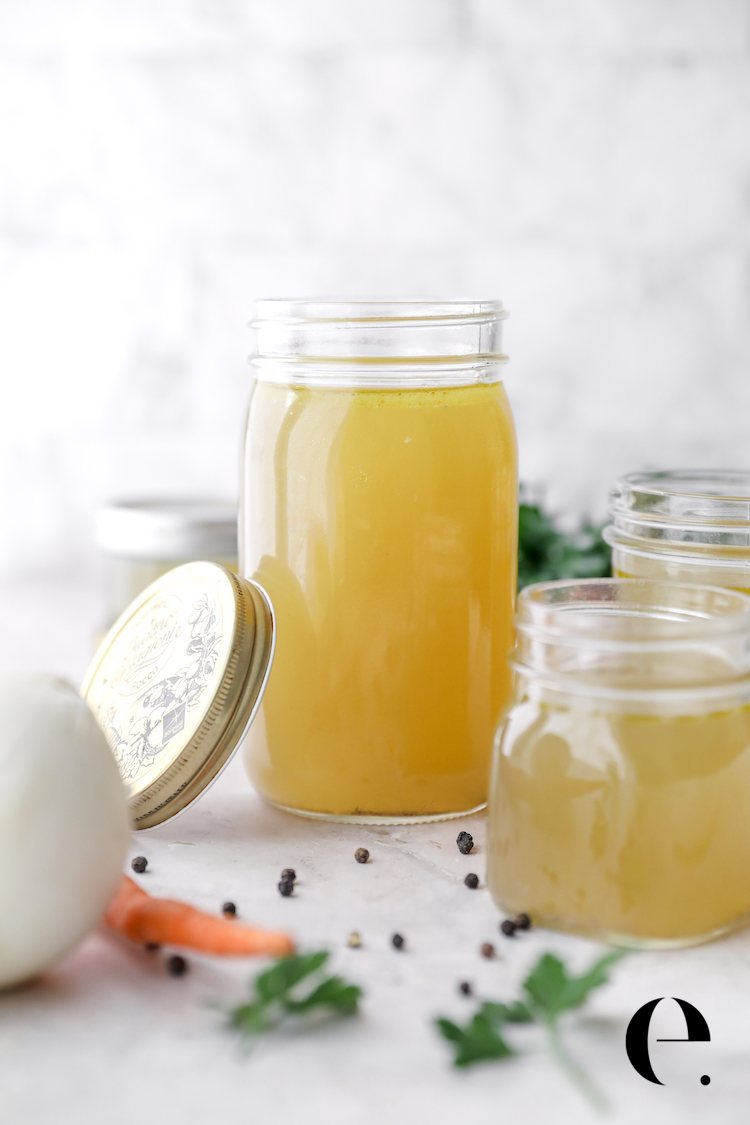
Unlock Unrivaled Flavor with The Best Homemade Chicken Stock Recipe
There's a secret ingredient that elevates ordinary meals into culinary masterpieces, transforming everyday dishes into restaurant-quality experiences. That secret? A rich, deeply flavorful
homemade chicken stock recipe. Forget the bland, overly salty cartons from the grocery store. Once you taste the difference that a homemade version makes in your soups, sauces, gravies, and risottos, you'll wonder how you ever cooked without it. Making your own chicken stock isn't just about superior flavor; it's also a wonderfully resourceful way to utilize ingredients, save money, and infuse your cooking with wholesome goodness.
At its core, a superb
homemade chicken stock recipe is surprisingly simple. It’s about coaxing every last drop of savory essence from humble bones and vegetables, simmering them gently to create a golden, aromatic liquid that forms the foundation of countless dishes. This guide will walk you through crafting the best chicken stock you've ever made, ensuring a profound depth of flavor that store-bought varieties simply cannot match.
Why Your Kitchen Needs This Homemade Chicken Stock Recipe
The benefits of a truly great
homemade chicken stock recipe extend far beyond just taste. Here's why every home cook should add this staple to their repertoire:
- Unmatched Flavor Depth: Store-bought stocks often rely on concentrates and artificial flavorings. Homemade stock, however, extracts natural gelatin and collagen from bones, creating a rich mouthfeel and an authentic, savory taste that is complex and nuanced.
- Healthier Option: When you make it yourself, you control the ingredients. This means no excessive sodium, no artificial preservatives, and no questionable additives. You get pure, nourishing liquid gold.
- Cost-Effective and Sustainable: Making stock is an excellent way to use up chicken carcasses (from a roast chicken or rotisserie bird), vegetable scraps, and even discarded herb stems that might otherwise end up in the bin. It's a prime example of culinary resourcefulness, saving you money on store-bought alternatives. To learn more about maximizing your kitchen's potential, check out our guide on Homemade Chicken Stock: How to Use Scraps for Savory Stock.
- Versatility: A good stock is the bedrock of so many dishes. From comforting chicken noodle soup and elegant French onion soup to silky gravies and robust pan sauces, its applications are endless.
Essential Ingredients for the Best Homemade Chicken Stock
The beauty of a classic
homemade chicken stock recipe lies in its simplicity. While you can certainly get creative, the core ingredients remain consistent for a reason – they deliver unparalleled flavor.
Core Ingredients List:
- 1-2 pounds bone-in chicken parts: This is your flavor powerhouse. Think backs, necks, wings, or even a whole roasted chicken carcass. The bones and connective tissues are crucial for producing gelatin, which gives the stock body and richness.
- 1 large onion, quartered: A fundamental aromatic that provides a sweet, foundational flavor.
- 3 stalks celery ribs with leaves, cut into 1-inch pieces: Contributes a fresh, earthy undertone. Don't discard the leaves; they add extra depth!
- 1 large carrot, cut into 1-inch chunks: Adds sweetness and a beautiful golden hue to your stock.
- 1 ½ teaspoons salt: While you'll adjust seasoning later in your final dishes, a little salt here helps extract flavor from the ingredients.
- 3 whole cloves: These might seem unusual, but they lend a subtle, warm, and sophisticated note to the stock without overpowering it.
- 6-8 cups cold water: Always start with cold water. This allows impurities to rise to the surface slowly, making them easier to skim off, resulting in a clearer stock.
Optional Flavor Boosters and Clarifying Agents:
- ¼ cup cold water (for clarifying)
- 1 large egg (for clarifying)
- Bay leaf: Adds a classic herbaceous note.
- Whole black peppercorns: A gentle spicy warmth.
- A sprig of fresh parsley or thyme: Enhances the aromatic profile.
Step-by-Step Guide to Crafting Your Homemade Chicken Stock
This
homemade chicken stock recipe focuses on the stovetop method, ensuring you achieve maximum flavor extraction with minimal fuss.
Basic Stovetop Method:
- Gather Your Arsenal: Place your chicken parts (or carcass), quartered onion, celery pieces with leaves, carrot chunks, salt, and whole cloves into a large, heavy-bottomed soup pot or Dutch oven.
- Add Water and Bring to a Boil: Pour in 6 to 8 cups of cold water, ensuring all ingredients are submerged. Place the pot over high heat and bring it to a rolling boil.
- Skim and Simmer: Once boiling, reduce the heat immediately to the lowest setting. The goal is a gentle simmer, just barely bubbling. Skim off any foam or impurities that rise to the surface using a ladle or large spoon. Cover the pot, leaving a small gap for steam to escape, and let it simmer for at least 1 hour, or up to 2-3 hours for a richer, more concentrated flavor. The longer it simmers gently, the more flavor will be extracted.
- Remove Solids: Carefully remove the chicken bones and large vegetable pieces from the pot using tongs or a slotted spoon. You can discard these as their flavor has been fully imparted into the stock.
- Strain the Stock: Place a fine-mesh sieve over a large heatproof bowl or another clean pot. Pour the stock through the sieve to catch any remaining small solids. For an even clearer stock, you can line the sieve with a double layer of cheesecloth.
- Chill and Skim Fat: Allow the strained stock to cool slightly, then refrigerate it for several hours or overnight. As it chills, any remaining fat will rise to the surface and solidify, making it easy to skim off and discard with a spoon. This step is crucial for a cleaner, less greasy stock.
Optional: Clarifying Your Stock for Crystalline Perfection
For exceptionally clear stock, often desired for delicate soups like consommé or a pristine French onion soup, you can employ a classic clarifying method:
- Prepare the Clarifying Agent: Separate the egg white from one large egg and set the yolk aside (you won't need it for this). Crush the eggshell into small pieces. In a small bowl, combine the egg white, crushed eggshell, and ¼ cup cold water. Whisk lightly.
- Incorporate and Boil: Add this mixture to your strained and chilled (but not yet skimmed) stock. Bring the stock to a boil over medium-high heat, whisking occasionally. As it heats, the egg white will coagulate and rise to the surface, trapping any tiny solid flecks.
- Rest and Strain Again: Once it reaches a boil, remove the pot from the heat and let it stand undisturbed for 5 minutes. The impurities will have collected in the "raft" of egg white.
- Final Strain: Carefully ladle the stock through a sieve lined with a double layer of cheesecloth, trying not to disturb the egg white raft too much. You'll be left with a beautifully clear, golden liquid.
For those who prefer alternative cooking methods, especially busy cooks, making chicken stock in a slow cooker is also a fantastic option. Discover more about this versatile approach in our
Easy Homemade Chicken Stock: Stovetop & Slow Cooker Guide.
Beyond the Basics: Customizing Your Homemade Chicken Stock
While the core
homemade chicken stock recipe provides a fantastic foundation, don't hesitate to experiment with additions to tailor the flavor profile to your liking.
- Roast First: For an even deeper, richer color and flavor, roast your chicken bones and vegetables (onion, celery, carrots) in the oven at 400°F (200°C) for 30-40 minutes until lightly caramelized before adding them to the pot.
- Herbs and Spices: Beyond cloves, consider adding a sprig of fresh thyme, a few bay leaves, a handful of black peppercorns, or even a star anise for an aromatic twist. Ginger or a touch of fennel (as mentioned in our source context) can add unique notes, especially if you plan to use the stock in Asian-inspired dishes or clam chowder.
- Garlic: While optional, a few unpeeled garlic cloves tossed into the pot will add a lovely savory depth. For a sweeter, more caramelized flavor, roast the garlic first with your bones and vegetables.
Storing and Utilizing Your Liquid Gold
Once you've made your delicious
homemade chicken stock recipe, proper storage ensures you can enjoy it for weeks or months.
- Refrigerator: Freshly made, skimmed stock can be stored in an airtight container in the refrigerator for 3-4 days.
- Freezer: For longer storage, freeze your stock. Pour it into freezer-safe containers, leaving an inch of headspace for expansion. For convenience, freeze portions in ice cube trays, then transfer the frozen cubes to freezer bags. This allows you to easily grab just the amount you need. Frozen stock can last for up to 6 months.
How to Use Your Homemade Chicken Stock:
Your homemade stock is incredibly versatile. Here are just a few ideas:
- Soups: The obvious choice! From classic chicken noodle to creamy pureed vegetable soups, your stock will be the star.
- Sauces and Gravies: Use it as the base for pan sauces after searing meat, or to thin out rich gravies.
- Grains: Cook rice, quinoa, or couscous in chicken stock instead of water for an instant flavor boost.
- Braising: It's the perfect liquid for braising meats and vegetables, infusing them with savory goodness.
- Risotto: Essential for a creamy, flavorful risotto.
Conclusion
Embracing this
homemade chicken stock recipe is a game-changer for any home cook. It’s an act of culinary self-sufficiency that rewards you with unmatched flavor, health benefits, and a satisfying sense of resourcefulness. While it requires a little time and patience, the payoff is immense, transforming everyday meals into something truly extraordinary. So, gather your ingredients, set aside an hour or two, and embark on the journey of creating your own liquid gold. Your taste buds, and your cooking, will thank you.